
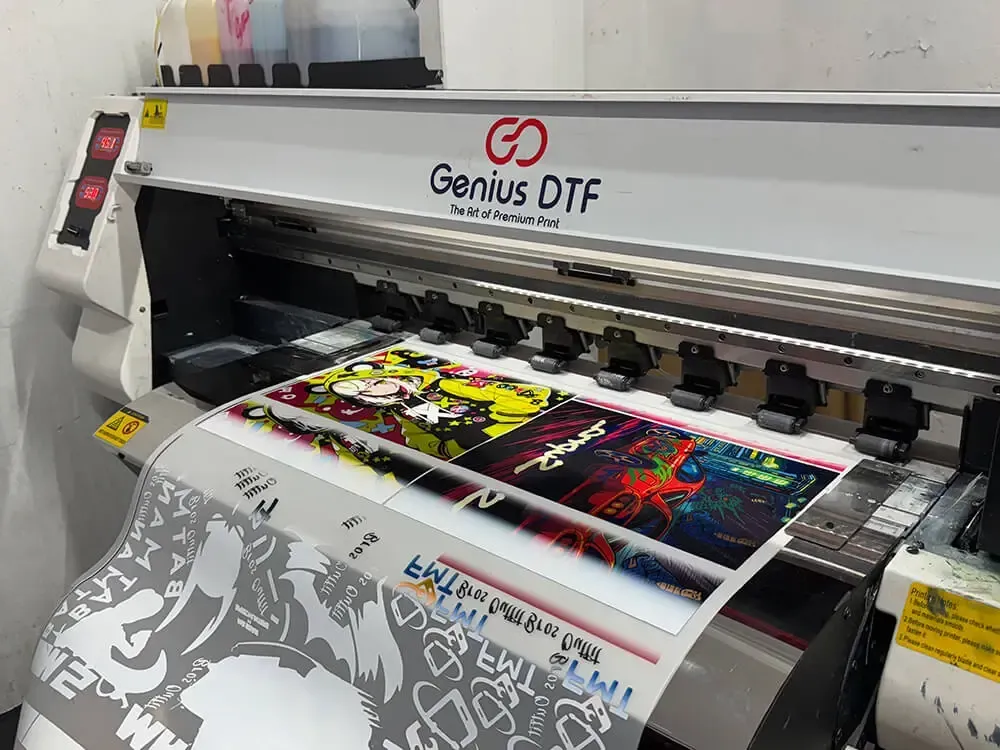
DTF printing business opportunities are reshaping how designers turn everyday apparel into scalable revenue streams for independent brands, print shops, and merchandisers. The direct-to-film printing model offers flexibility, vibrant colors, durable results, and relatively low upfront costs, making it a compelling choice for small shops and aspiring entrepreneurs. To succeed, outline a focused plan that covers niche positioning, a realistic budget, supplier relationships, and practical implementation steps. A clear roadmap should also include workflow design, quality control checkpoints, and a strategy for sourcing reliable inks, powders, transfer films, and software. From market research to launch, a structured, repeatable process helps you convert curiosity into orders while protecting your brand reputation.
In plain terms, the concept centers on film-based transfers that allow crisp designs to be applied to a variety of fabrics. Think of it as a modern textile decorating approach that uses ink-on-film technology to reproduce intricate artwork on apparel. As you map out the venture, consider the cost picture, including equipment investments, consumables, and the ongoing expenses that influence profitability. By framing this as a scalable, service-driven model rather than a one-off art project, you can align product lines, pricing, and marketing to attract consistent orders.
1. Niche Targeting and Value Proposition for Direct-to-Film Printing
Defining a precise niche helps you tailor product offerings, pricing, and marketing to the clients most likely to value your services. In the DTF direct-to-film printing space, opportunities abound with athletic brands, local schools, boutique apparel labels, and event promoters. By focusing on a specific market, you can craft designs, color profiles, and turnaround commitments that set you apart from generalized print shops.
A compelling value proposition for a DTF printing business often centers on speed, color fidelity, and ease of ordering. Emphasize capabilities such as fast proofs, accurate color reproduction, and a hassle-free order-management process. Clear communication about turnarounds, minimums, and guarantees will help you win repeat clients who rely on consistent results across multiple garments.
2. Crafting a Practical DTF printing business Plan for Launch
A practical DTF printing business plan acts as a roadmap from idea to income. It should cover target markets, product catalog, pricing strategy, marketing channels, and financial projections. Incorporate a realistic assessment of equipment needs, supplier relationships, and daily workflows to show potential lenders or partners that you understand the operational reality of direct-to-film printing.
Your plan should also articulate milestones, risks, and contingency measures. Include a section on staffing, training, and quality control, plus a timeline for equipment procurement and facility setup. Framing the plan around a clear value proposition and scalable processes makes it easier to attract investment and guide your first 12–24 months of growth.
3. Estimating DTF transfer printing startup costs and budgeting
Startup cost estimation for direct-to-film printing involves identifying all capital and near-term expenses. Key categories include DTF transfer printing startup costs such as printers and equipment, heat presses, curing systems, inks, adhesive powders, transfer films, and design software. Substrates and consumables—like base garments and specialty fabrics—should also be budgeted, along with packaging, branding, and a simple online storefront.
Beyond initial purchases, plan for ongoing costs such as utilities, maintenance, replacement media, and marketing. A well-structured budget helps you forecast cash flow, set price points that cover material costs and labor, and determine the break-even point. Even if you buy used equipment, allocate funds for refurbishment, warranties, and spare parts to avoid unexpected downtime.
4. Selecting DTF Printers and Equipment for Consistent Transfers
Choosing the right DTF printers and equipment defines print quality and throughput. When evaluating options, consider print speed, color accuracy, ink compatibility, maintenance needs, and total cost of ownership. A dependable DTF printer should pair with a compatible curing/drying solution and a robust heat press to ensure consistent transfers across different fabrics.
In addition to the printer, invest in essential peripherals such as a powder shaker, reclaim tools, and a high-quality washing station if you plan to recycle films. Establishing a reliable setup minimizes bottlenecks, reduces waste, and drives repeatable results—crucial factors for satisfying clients and sustaining growth in a competitive market.
5. Building Materials, Supplier Networks, and Quality Control for Direct-to-Film Printing
Quality starts with your materials. Build relationships with trusted suppliers for DTF inks, adhesive powders, base films, transfer films, and substrates. Testing different media helps you identify options that deliver strong color fidelity, durable wash resistance, and a comfortable hand feel for your target customers.
A reliable supplier network reduces production delays and supports scaling as demand grows. Maintain a small media library, keep print profiles organized by fabric type, and implement standardized quality control checks at each stage—from design preparation to final finishing. Clear SOPs and documented QC steps help you deliver consistent results on every order.
6. Marketing Strategies to Grow Your DTF Printing Business
Marketing is essential for turning a new DTF printing business into a sustainable revenue stream. Develop a portfolio that showcases sample garments, banners, and prototypes, and use SEO, social media, and local partnerships to reach your ideal customers. A well-planned outreach can include content that answers common questions about direct-to-film printing, helps clients estimate costs, and demonstrates value through case studies.
Implement a multi-channel approach: a product-focused website with clear pricing and an easy order form, active social media profiles, and targeted outreach to schools, clubs, and local brands. Use customer reviews and case studies to build credibility, and explore collaborations with designers for exclusive collections. A structured marketing strategy—driven by measurable DTF marketing strategies—will help you attract, convert, and retain clients while reinforcing your brand’s reliability and quality.
Frequently Asked Questions
What is direct-to-film printing and how does it fit into a DTF printing business plan?
Direct-to-film printing creates a printed film that transfers image details to fabric using heat and adhesive powders. In a DTF printing business plan, it highlights a flexible workflow, broad substrate compatibility, and lower upfront costs compared with traditional methods, helping you position products effectively.
What are the essential DTF printers and equipment I need to start a DTF transfer printing startup?
A basic setup includes a dedicated DTF printer, a heat press, a curing or dryer system, DTF inks and adhesive powders, transfer films, base garments, and reliable software. Choosing compatible DTF printers and equipment helps ensure consistent transfers and scalable output.
How should I estimate DTF transfer printing startup costs when launching a DTF printing business?
Break costs into categories: DTF printers and equipment, substrates and consumables, workspace and utilities, packaging and branding, and initial marketing. Start with a realistic budget in the thousands to tens of thousands, adjusting for new vs. used gear and growth plans; this aligns with your DTF transfer printing startup costs assessment.
What marketing strategies work best for a DTF printing business and how can I apply DTF marketing strategies?
Develop a strong portfolio, optimize your site for SEO, leverage social media, run local partnerships, and use email marketing to nurture prospects. Tailor your DTF marketing strategies to target schools, teams, and brands, emphasizing quick turnarounds, color accuracy, and reliable service.
What should be included in a basic DTF printing business plan to attract investors?
Include an executive summary, market analysis, product catalog, pricing strategy, production workflow, supplier network, and detailed financial projections. Clearly outline startup costs, break-even analysis, and milestones to demonstrate viability in your DTF printing business plan.
How should I maintain DTF printers and equipment to minimize downtime and ensure quality?
Establish a preventive maintenance schedule, stock spare parts, and document standard operating procedures. Regular checks on color accuracy, ink/powder levels, film quality, and dryer performance keep DTF printers and equipment reliable and help sustain quality.
| Step | Key Points |
|---|---|
| Step 1 | Define your niche and value proposition: choose target markets (athletic brands, events, schools, boutiques) and clearly communicate why customers should choose you (fast turnaround, easy order management, high color accuracy, eco-friendly materials). |
| Step 2 | Create a practical DTF printing business plan: outline target market, pricing, product catalog, marketing, and financial projections; include startup costs, ongoing expenses, revenue, equipment needs, supplier relationships, and workflows. |
| Step 3 | Understand startup costs and budget: major categories include printers/equipment, substrates, workspace/utilities, packaging/branding, and marketing; budget ranges from thousands to tens of thousands depending on equipment and growth plans. |
| Step 4 | Choose the right equipment: evaluate printers, heat press, curing/drying system, inks, powders, transfer films, and software; consider speed, color accuracy, maintenance, and total cost of ownership; ensure compatibility with curing/drying setup and a sturdy workflow. |
| Step 5 | Materials and supplier network: build relationships with trusted suppliers for inks, powders, base films, transfer films, and substrates; test media for color fidelity and wash resistance; maintain samples and a library of print profiles. |
| Step 6 | Set up production workflow and quality control: map stages (design, film printing, powdering, curing, finishing); create SOPs; implement QC checkpoints for color accuracy, alignment, powder adhesion, and wash resistance; reduce waste and ensure reliability. |
| Step 7 | Pricing, packaging, and quotes: use base cost plus markup with tiered pricing for bulk or higher-featured designs; transparently display turnaround times and shipping; invest in branded packaging to reinforce identity. |
| Step 8 | Marketing, sales strategy, and customer service: build a portfolio; leverage social media, SEO, and local networking; maintain a website with product pages and an ordering form; include case studies, partnerships, and email marketing; deliver excellent customer service to drive repeat business. |
| Step 9 | Legal, finances, and risk management: register the business, obtain licenses, set up banking, consider liability insurance and copyright considerations; track finances with bookkeeping software and plan for seasonality. |
| Step 10 | Launch plan and milestones: start with a soft launch to validate processes; gather feedback; plan a grand opening with a sample showcase or promotions; set measurable 30/60/90-day goals and adjust tactics. |
| Step 11 | Scaling and ongoing optimization: upgrade equipment, expand design library, offer additional services; track KPIs (lead time, waste, CAC, LTV); review supplier pricing and optimize inventory for cost efficiency. |
| Step 12 | Common challenges and mitigation: handle downtime, color variability, and supply interruptions with spare parts, maintenance, and backup suppliers; document SOPs and train staff to improve reliability. |
Summary
Conclusion