
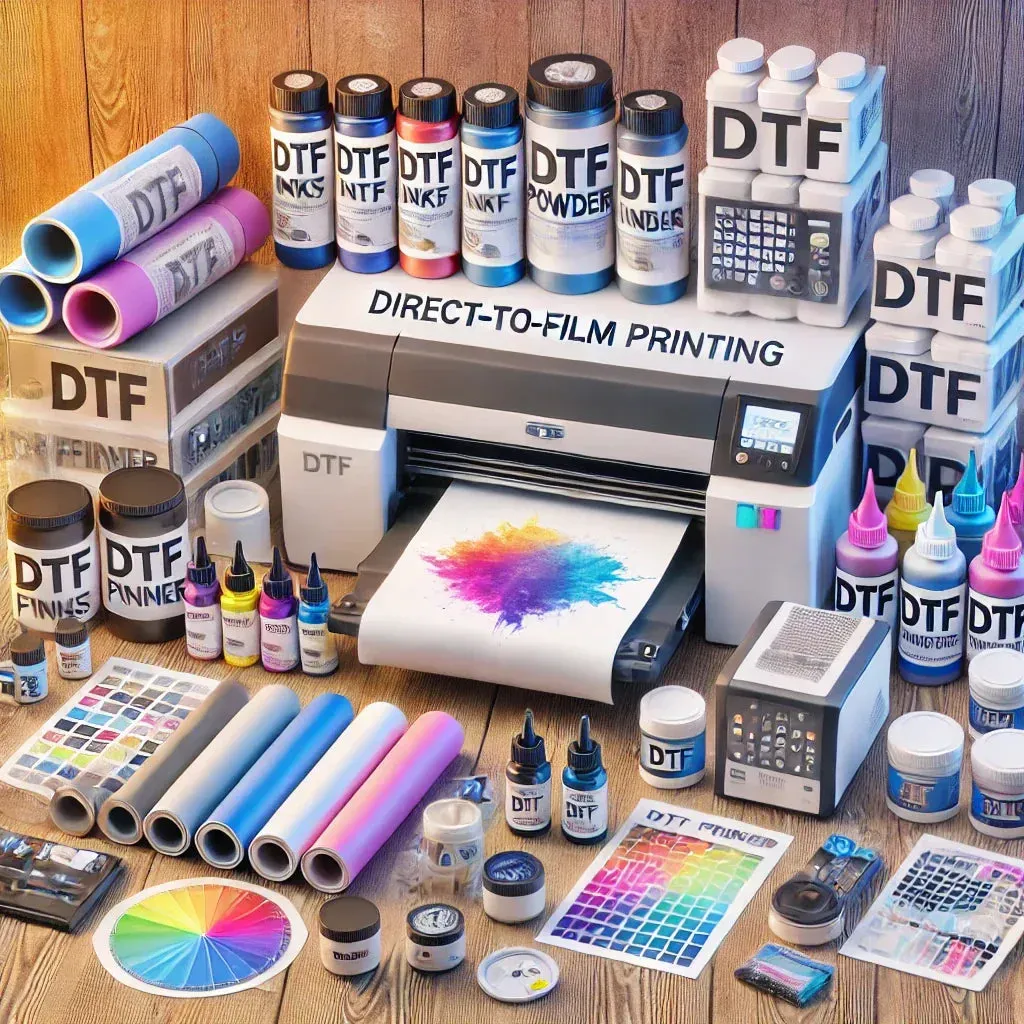
DTF printing supplies have transformed how small businesses, makers, and hobbyists bring bold, durable designs to textiles with relatively simple, affordable equipment that fits a home workshop, and every step, from sourcing materials to final inspection, matters for long-term profitability and customer satisfaction. From reliable DTF printing equipment to precise DTF transfer film, and compatible materials, the essentials help you achieve professional-looking results without a steep learning curve, and they scale as you grow, whether you are printing small batches or exploring full garment lines. This guide introduces the key components—DTF inks and powders, proper DTF printer setup, and practical tips for choosing film and maintaining your gear, with real-world examples. By understanding how these parts work together, beginners can optimize color, adhesion, and wash-fastness across a variety of fabrics, timetables, and production volumes. With the right supplies and a bit of practice, you can turn creative ideas into scalable, high-quality transfers, expanding your product range and opening new revenue streams, including DTF printing for beginners.
DTF Printing Equipment Essentials for Beginners
Starting with the right DTF printing equipment sets the foundation for smooth operations and predictable results. For beginners, assemble a straightforward kit that includes a DTF-capable printer, a reliable heat press suited to your typical garment sizes, a computer with RIP or color management software, and a clean, dust-free workspace. This core bundle ensures you can execute the transfer process from design to curing with minimal troubleshooting, and it highlights the importance of proper DTF printer setup from day one.
As you evaluate equipment, look for compatibility with white ink systems, maintainability, and a track record of reliability with the films and powders you plan to use. A practical beginner setup avoids overcomplication and helps you learn how changes in film, ink, or powder affect results; aligning your DTF printing equipment with your workflow reduces early frustrations.
DTF Transfer Film: Choosing the Right Carrier for Quality Results
DTF transfer film is the intermediary layer that carries your printed design to the fabric. When selecting film, consider opacity, clarity, release properties, and durability. A good film will hold color well, release cleanly after heat pressing, and tolerate multiple wash cycles without curling.
Pairing film with inks and powders matters. A compatible film reduces misregistration and color shift, and helps maintain sharp details across batches. Store film properly and avoid moisture to prevent warping; test different thicknesses to find the balance of detail and transfer stability.
DTF Inks and Powders: Achieving Vibrant, Durable Prints
Inks and powders are the active ingredients that finalize the transfer. Water-based DTF inks are standard, with white ink forming the base on dark fabrics and enabling bright colors. The bonding powder must be applied evenly to promote strong adhesion during heat curing.
Evaluate and test different ink formulations with your chosen transfer film and fabrics to balance color vibrancy, softness, and wash-fastness. Always follow manufacturer guidelines for storage and handling to prevent clogging and inconsistent delivery during prints.
DTF Printer Setup and Color Management for Consistent Output
A solid DTF printer setup includes calibrating color profiles in RIP software and ensuring monitor-to-print accuracy. Use printed test swatches to refine saturation and contrast, and maintain clean printheads to prevent clogging, especially with white ink.
Managing color is a recurring theme in DTF work. Small changes in ink formulation, film type, or powder can shift output; document your settings and establish a repeatable workflow so batches stay consistent across runs.
DTF Printing for Beginners: Step-by-Step Process and Practical Tips
From design to final transfer, the beginner workflow covers file preparation, film printing, applying bonding powder, and the heat-press transfer. By breaking the process into clear stages, you can learn how each component—from inks to the film—interacts to produce a crisp image on textiles.
Keep expectations reasonable and practice on scrap garments to build skill with pressure, time, and temperature. This approach helps you identify fabric-dependent adjustments and avoids costly errors as you scale up.
DTF Printing Supplies: Maintenance, Safety, and Best Practices
DTF printing supplies require proper maintenance and safe handling. Clean printheads, control bonding powder dust, and store inks, powders, and films under recommended conditions to extend life and prevent quality fluctuations.
Develop a simple workflow map that records settings, lot numbers, and material types to reproduce successful results. This documentation also helps with troubleshooting, supplier communication, and ensuring consistency across orders.
Frequently Asked Questions
What are the essential pieces of DTF printing equipment for beginners?
Essential DTF printing equipment for beginners includes a DTF-capable printer with white ink, a reliable heat press suitable for your garment sizes, a computer with RIP or color management software, and a clean workspace with an accurate scale. When shopping, look for compatibility with white ink systems and solid maintenance support to ensure consistent results. Starting with a straightforward setup minimizes early frustrations.
How do I choose the best DTF transfer film for reliable results in DTF printing supplies?
DTF transfer film choice affects print sharpness and transfer reliability. Select film with good opacity and clarity, appropriate release properties, and compatibility with your inks and powders. Consider film thickness and weave for detail versus stability, and store films properly to prevent warping or moisture exposure.
What should I know about DTF inks and powders to optimize DTF printing for beginners?
DTF inks and powders define color fidelity, adhesion, and wash durability. Use water-based pigment inks with a strong white ink for dark fabrics, and apply bonding powders evenly for consistent transfers. Maintain printhead health and follow storage guidelines, ensuring inks, powders, and transfer film remain compatible and properly labeled.
What is involved in a proper DTF printer setup to ensure consistent results?
A proper DTF printer setup includes calibrating color profiles via RIP software, priming and cleaning printheads, and performing regular test prints. Keep films flat and dust-free, and document settings for repeatability. Consistent color management and a clean workflow help prevent color shifts across batches.
How can I maintain and troubleshoot DTF printing equipment to prevent issues?
Regular maintenance extends life and quality: clean printheads and run nozzle checks, clean the bonding powder area to avoid contamination, and store inks, powders, and films sealed away from heat and humidity. Maintain a simple workflow map recording printer settings, film types, ink batches, and powder lots to reproduce successful results.
What are recommended starter kits for DTF printing for beginners and how do I align them with DTF transfer film and inks and powders?
For DTF printing for beginners, a starter kit may include a DTF-capable printer, a heat press, DTF transfer film, DTF inks and powders, and a basic RIP. Choose suppliers with tested, compatible film–ink–powder combinations, then run test swatches to establish baselines for color and texture. Document batch settings and workflow steps to minimize variability across jobs.
| Aspect | Key Points | Why it matters |
|---|---|---|
| DTF Printing Equipment | DTF-capable printer (modified inkjet with white ink), heat press, computer with RIP or color management software, accurate scale & clean workspace | Foundational tools that support consistent color, proper transfer, and repeatable results |
| DTF Transfer Film | Opacity/clarity; release properties; durability/compatibility; thickness and weave | Crucial for sharp designs, color accuracy, and smooth transfers with fewer misregistrations |
| DTF Inks and Powders | Water-based pigment inks (white ink essential for dark fabrics); bonding powders; storage/handling guidelines; maintain printhead | Influences color vibrancy, adhesion, softness, and durability; ensure compatibility among inks, powders, and film |
| DTF Printer Setup | Calibrate color profiles; install/maintain printheads; test prints; manage film handling | Promotes predictable results and reduces waste in the production process |
| Ink/ Powder/ Film Compatibility | Match the film to the ink and printer; consider fabric types; control powder application | Critical for consistency across batches and avoiding issues |
| Maintenance & Safety | Clean printheads; wipe bonding powder area; proper storage; safety considerations with powders | Extends equipment life and keeps workers safe while preserving transfer quality |
| Common Beginner Mistakes | Skipping color calibration; over-/under-powdering; ignoring fabric differences; treating DTF like DTG/other methods | Helps avoid common pitfalls and improves overall results |
| Final Tips | Start with a solid base; use test swatches; optimize heat press settings; batch workflow; seek education/community support | Practical steps to achieve reliable results and continuous improvement |
Summary
DTF printing supplies empower creators to produce professional-looking apparel and textiles with a relatively approachable setup. By focusing on the core elements—DTF printing equipment, high-quality DTF transfer film, reliable inks and powders, and a thoughtful printer setup—you’ll maximize your chances of consistent, durable transfers. As you gain experience, you can refine your material choices, expand into different fabrics, and scale your operations. With patience, testing, and careful attention to the interplay between supplies, your DTF projects can achieve impressive results that stand out in any market.