
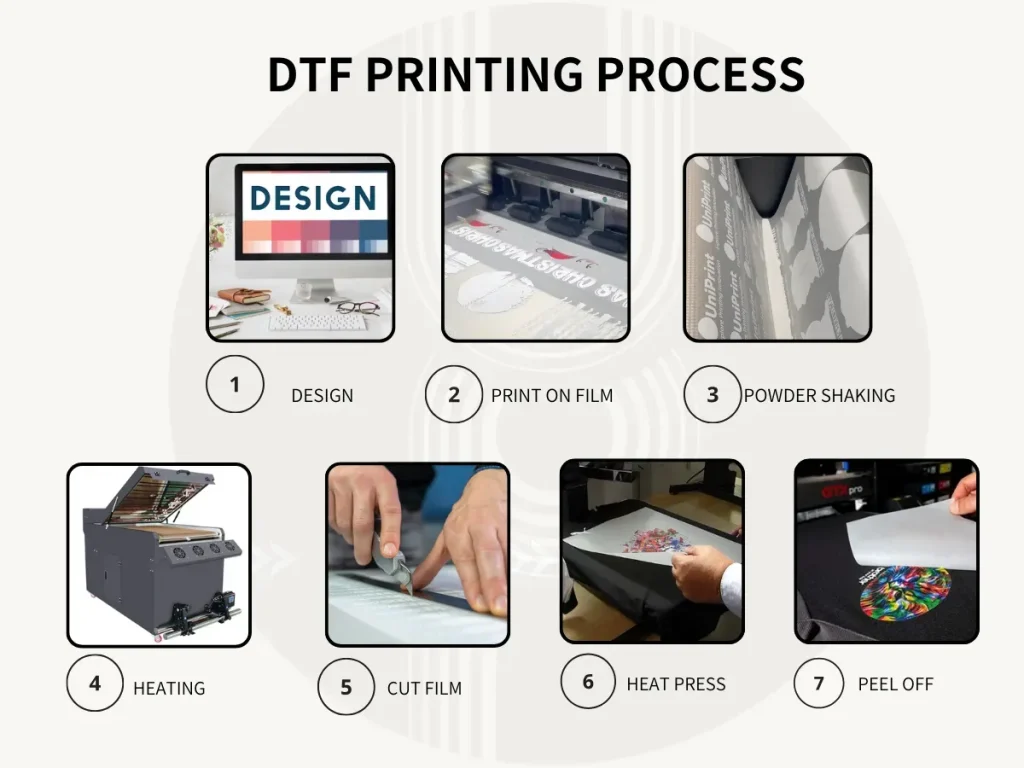
DTF printing techniques have reshaped apparel design by delivering vibrant color, soft hand feel, and long-lasting finishes. When you compare DTF transfer methods with direct-to-fabric printing, you uncover flexibility for wash-durable apparel across cotton, blends, and synthetics. This introductory guide highlights how to maximize color brightness, edge clarity, and durability from design to finished garment. Key steps include selecting high-quality PET film, precise adhesive powders, and careful heat timing to protect details during washing. If you’re weighing DTF vs screen printing, understanding their strengths helps you balance color richness with production efficiency.
From a different angle, this approach is a film-based transfer that uses a PET film and heat-activated adhesive to lay color onto fabric. Industry discussions often call this direct-to-fabric printing, a form of digital textile decoration that delivers bright results across a variety of base garments. For wash-durable apparel, align the fabric type, adhesive choice, and curing parameters so the print remains vibrant after many wash cycles. Seen through the lens of production, dye-based film transfers, white underbase strategies, and careful post-press finishing form a flexible toolkit for designers.
1) DTF Printing Techniques for Bright, Wash-Durable Apparel
DTF printing techniques blend pigment inks, white underbase, and PET film to yield vibrant designs that endure repeated wash cycles. By optimizing color layering and ensuring high-quality film and adhesive powder, you can achieve edge-to-edge color control across cotton, blends, and synthetic fabrics. This approach supports bright graphics with sharp detail and a smooth hand feel after transfer.
Direct-to-fabric printing concepts inform DTF workflows, yet film-based transfer adds flexibility for multi-color designs on dark fabrics. DTF transfer methods simplify production for small runs and mixed fabrics while maintaining color fidelity and durability. The result is a cost-efficient, scalable path to wash-durable apparel without sacrificing brightness or detail.
2) DTF Transfer Methods: From White Underbases to High-Impact Colors on Dark Fabrics
A core aspect of DTF transfer methods is building a robust white underbase on dark fabrics. This layer prevents color show-through and preserves brightness, allowing CMYK colors to sit on top with clean edges and legible detail. A strong underbase is essential for high-contrast, vibrant prints that stay vivid after multiple washes.
Proper adhesive powder application, film quality, and precise heat application define durability and consistency across batches. When you compare DTF transfer methods to DTG or screen printing, you’ll notice advantages in color brightness on dark textiles and stable output in larger runs, making it easier to maintain uniformity across garments.
3) Direct-to-Fabric Printing vs Film-Based DTF: Which Path Suits Your Project?
Direct-to-fabric printing describes a broader approach to printing on textiles, but film-based DTF offers a transferable solution using a printed transfer film. Choosing between direct-to-fabric printing and film-based DTF impacts color management, texture, and production speed, especially when working with mixed fabrics or small batches. DTF transfer methods can simplify complex color designs while preserving brightness on diverse substrates.
For very large or highly opaque designs, screen printing or DTG may still have advantages. DTF provides a balance of color brightness, durability, and on-demand capability, particularly for mixed fabric lines. Evaluate fabric blends, expected wash cycles, and budget to determine the best method for your specific project.
4) How to Maximize Color Brightness with DTF Printing Techniques
To maximize color brightness, invest in high-quality PET film, precise ink sets, and stable white ink performance. Discussing calibration and proofing in terms of LSI-friendly terms like direct-to-fabric printing and DTF transfer methods helps ensure your content stays relevant to search audiences seeking wash-durable apparel guidance.
Align color profiles, run test prints on target fabrics, and maintain consistent pre-press conditions. Finishing steps such as powder curing, even heat application, and careful post-press cooling play key roles in preserving vibrant color through repeated wash cycles and across different garment types.
5) Achieving Wash-Durable Apparel: Inks, Curing, and Care Guidance
Wash-durable apparel enabled by DTF relies on durable inks, proper curing, and accurate heat settings. Choose inks with strong color stability and pairs of adhesives that cure fully for a robust bond. Tuning temperature ranges and dwell times by fabric type minimizes edge cracking and color fade, ensuring long-lasting results.
Provide clear care instructions to protect the print, such as washing inside-out, cold cycles, and avoiding high-heat tumble drying. Well-communicated care guidelines support customer satisfaction and help maintain the brightness promised by DTF transfer methods across many washes.
6) Fabric Compatibility and Design Considerations for DTF Transfer Methods
DTF transfer methods perform well on 100% cotton, cotton blends, and some poly blends, but fabric composition and weight affect brightness and adhesion. Using terminology like wash-durable apparel, direct-to-fabric printing, and DTF printing techniques helps explain how fiber content and finish interact with heat and adhesives.
When planning multi-fabric runs or large designs, test a subset of materials to gauge color fidelity, edge sharpness, and wash performance. Design choices such as robust white underbase on dark fabrics or paneling for all-over prints help maintain brightness and durability across products.
Frequently Asked Questions
What are DTF printing techniques and how do they help produce wash-durable apparel?
DTF printing techniques refer to printing designs onto a PET transfer film with dye-based inks, applying an adhesive powder, and transferring the image to fabric with a heat press. This approach enables edge-to-edge color control and supports a wide range of fabrics, using a white underbase to brighten on dark fabrics. With proper curing and post-press care, DTF yields vivid, wash-durable apparel.
How do DTF transfer methods compare with direct-to-fabric printing and DTG for bright colors on dark fabrics?
DTF transfer methods excel at bright colors on dark fabrics and large prints, with simpler setup for small runs and mixed fabrics. Direct-to-fabric printing can deliver high resolution on light textiles but may struggle with dark fabrics, while DTG shines on light garments with detailed color work. Overall, DTF offers flexible production, reliable color, and cost efficiency across fabrics.
Which fabrics suit direct-to-fabric printing when using DTF printing techniques to achieve bright, long-lasting prints?
Cotton and cotton blends are generally reliable for DTF printing techniques, offering strong adhesion and bright colors. Polyester blends can work with adjusted heat settings and potential pre-treatment. Fabric weight and fiber content influence brightness and wash durability, so testing on target fabrics is recommended.
When should you choose DTF printing techniques over screen printing for large runs or high-contrast designs?
DTF printing techniques offer fast setup for small runs and mixed fabrics, making them ideal for on-demand production and mid-sized runs. Screen printing delivers high opacity and longevity for large orders but requires more setup and screens. For bright colors on varied fabrics and quicker turnarounds, DTF can be the better fit.
What is the role of the white underbase in DTF printing techniques on dark fabrics?
The white underbase fills the fabric color behind the graphic, making colors pop on dark fabrics and improving edge sharpness. It sits beneath the CMYK inks during transfer, helping maintain brightness and detail after pressing. Proper density and full curing of the white layer are key for wash-durable results.
What are the essential steps in the DTF transfer methods process to maximize brightness and wash durability?
Prepare artwork in high resolution; print onto PET film with the white underbase if needed, followed by CMYK colors; apply adhesive powder and cure; pre-press the fabric to remove moisture; transfer the film with a heat press at 160–180 C (320–356 F) for about 12–20 seconds with even pressure; peel while warm or after controlled cooldown; and follow with appropriate post-press care and care instructions to maintain brightness and durability.
| Topic | Key Points |
|---|---|
| What is DTF printing |
|
| DTF vs other methods |
|
| Core techniques that boost brightness and durability in DTF |
|
| A practical, step-by-step look at the DTF process |
|
| Fabric compatibility and design considerations for bright results |
|
| Troubleshooting common DTF issues |
|
| Optimizing brightness and wash durability: best practices |
|
| Practical tips for choosing fabrics and designs |
|
| Cost, speed, and scalability considerations |
|
Summary
Conclusion: DTF printing techniques offer a versatile path to bright, wash-durable apparel, combining the color richness of dye-based transfers with the flexibility of film-based processes. By prioritizing white underbase quality, ink selection, consistent PET film and adhesive powder, and precise heat pressing, you can achieve vivid designs that endure repeated washing while remaining comfortable to wear. In practice, optimize across fabrics by testing color accuracy, edge fidelity, and wash performance, and provide clear care instructions to sustain brightness over time. DTF printing techniques empower brands and hobbyists to deliver durable, high-visibility apparel across cotton, blends, and synthetic fabrics with scalable results.