
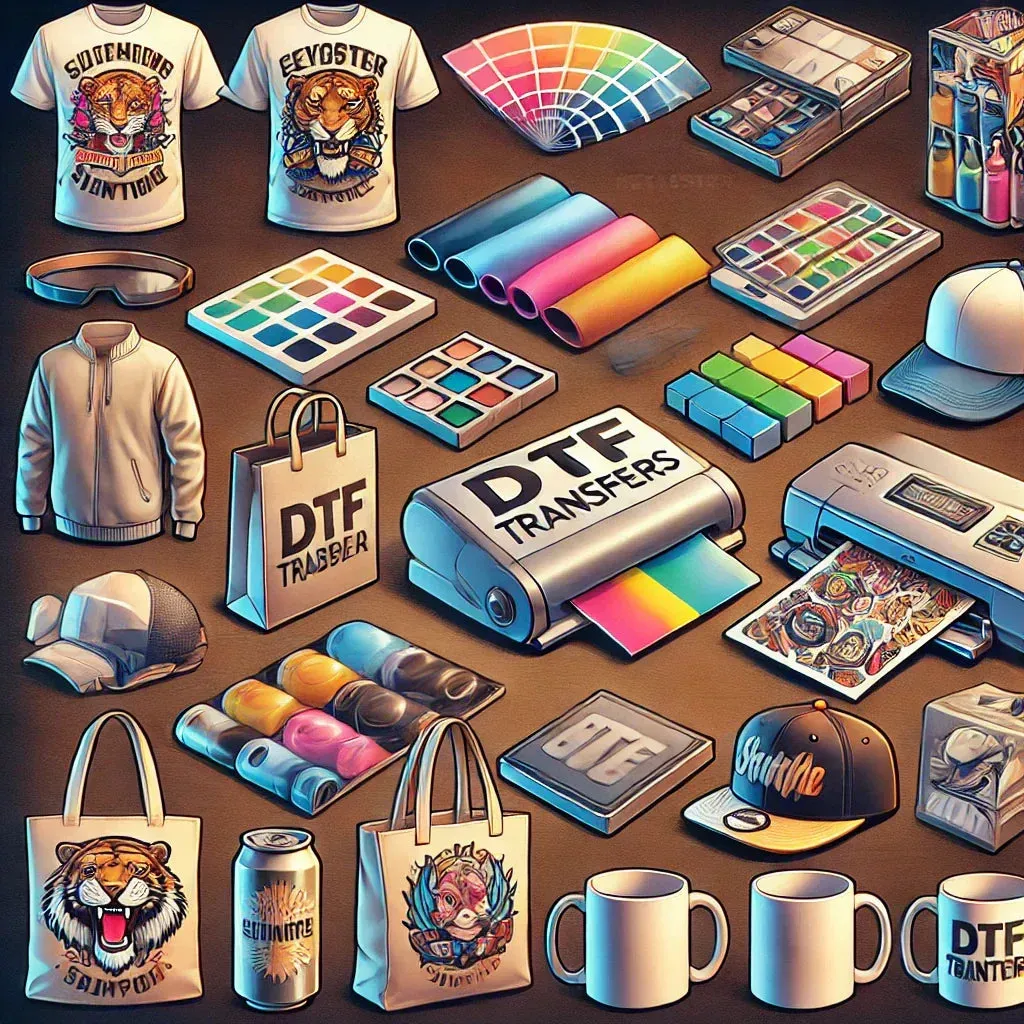
DTF transfers have quickly become a staple in garment decoration, delivering vibrant color, flexibility, and durable wear. As a bridge between traditional heat-transfer methods and digital printing, this technology enables designers to print-on-fabric with a soft hand, while offering color management, substrate compatibility, and a streamlined workflow for hobbyists and small shops alike. This introductory guide covers the process, the materials you’ll need, and how to apply DTF transfers for print-on-fabric projects, along with practical tips for sourcing supplies, budgeting, and avoiding common mistakes. You’ll examine DTF transfer durability in real-world wear and discuss care considerations to maximize longevity, with insights on pre-press time, curing precision, and post-press handling. Finally, discover how this approach compares with traditional screen printing (DTF vs screen printing) to choose the right method for your project, whether you’re decorating a single item or producing dozens of garments.
This film-based garment decoration method draws on digital textile transfer concepts to lay full-color designs onto fabrics with a soft hand. Alternative terms you might see include digital textile transfer (DTF printing), print-on-fabric technology, and a heat-press workflow that aims for long-lasting, wash-ready results. The approach supports a wide range of fabrics, from cottons to blends, and is well-suited for short runs and one-off creations. With careful attention to ink type, film choice, curing, and post-press care, designers can achieve durable, vibrant finishes that rival traditional methods.
DTF Transfers: What They Are and Why They Matter for Print-on-Fabric
DTF transfers are a form of onto-film printing that uses a PET film and adhesive powder to embed full-color designs into fabrics. In the DTF printing workflow, designs are created for print-on-fabric projects, printed with water-based inks, then coated with adhesive and applied to fabric with a heat press. This approach delivers vibrant color, a soft hand, and strong adhesion across dark and light fabrics alike, making DTF transfers a versatile choice for apparel, home textiles, and custom merchandise.
Because the process separates design creation from fabric type, you can achieve photographic detail and a broad color gamut without multiple screens. DTF transfers combine digital precision with a practical workflow, offering easy repeatability and efficient customization for individual garments while maintaining durability on a wide range of fabrics.
DTF Printing vs Traditional Methods: A Comparative Guide for Small Runs
When you compare DTF printing to traditional screen printing, you’ll notice that DTF can reproduce fine gradients and photographic imagery with fewer setup steps. This makes DTF vs screen printing especially advantageous for small runs or on-demand projects in print-on-fabric contexts, where color fidelity and speed matter.
DTF transfers also stand out against sublimation because they work on cotton and blends and are less constrained by base fabric color. The result is a flexible solution that remains robust across different fabrics, while still delivering bright, durable images suitable for wear.
Choosing the Right Fabrics for DTF Transfers
Choosing fabrics for DTF transfers means balancing weave, fiber content, and wash durability. Many designers start with 100% cotton or cotton blends for best adhesion, while denim and certain synthetics can also perform well. The print-on-fabric approach benefits from considering whether a white underbase is needed to ensure brightness on darker garments.
Pre-press time and fabric selection influence how the transfer bonds and how it wears after multiple washes. Understanding the fabric’s weave, fiber content, and care requirements helps optimize alignment, color accuracy, and long-term durability across your print-on-fabric library.
How to Apply DTF Transfers: A Step-by-Step Guide
Design and prepare artwork in high resolution, ensuring colors are optimized for your printer and whether you’re printing on light or dark fabrics. If you’re using a white underbase for dark fabrics, print that layer first to maximize vibrancy before adding color layers on the DTF film.
Then apply adhesive powder to the wet ink, cure it to fix the powder, and peel away the excess film. Pre-press the garment to remove moisture, align the film, and apply heat and pressure with a heat press—typically around 320-330°F (160-166°C) for 12-15 seconds. Finish with a post-press to ensure the bond is durable and ready for washing. This is a practical guide on how to apply DTF transfers.
DTF Transfer Durability: Care, Curing, and Longevity
DTF transfer durability is one of the method’s strongest selling points, provided you cure and press correctly. With proper curing and a robust bonding to the fabric, the colors stay bright through many washes and retain flexibility on cotton blends and synthetics.
Care tips matter: turn garments inside-out, wash in cold or warm water, avoid hot water and high heat drying, and skip ironing directly over the print. Following these guidelines helps maximize longevity and preserve the print’s vibrancy across years of use.
DTF vs Screen Printing and Beyond: Choosing the Right Method for Your Project
When deciding between DTF and screen printing, consider image detail, color range, setup time, and run length. DTF printing excels at complex designs with gradients and photographic effects on print-on-fabric, while screen printing remains cost-effective for bold, solid colors in larger runs. Cotton blends and other fabrics respond well to DTF transfers, expanding your design possibilities beyond traditional methods.
Budget, timeline, and fabric choice all influence the decision. For quick prototypes or small-batch orders with many colors, DTF transfers offer flexibility; for simple logos on bulky fabrics, traditional screen printing might be preferable. Understanding these trade-offs helps you select the best method for your project within your budget and schedule.
Frequently Asked Questions
What are DTF transfers and how does DTF printing work for print-on-fabric?
DTF transfers use a PET film, adhesive powder, and water-based DTF inks to embed designs into fabrics. The process prints on clear film, applies powder, cures it, and transfers the image to fabric with a heat press, delivering vibrant color and detailing for print-on-fabric on both dark and light fabrics.
How to apply DTF transfers?
Steps to apply DTF transfers: design and prepare artwork (white underbase for dark fabrics), print on PET film with DTF inks, apply adhesive powder and cure, pre-press the garment, align the film on the fabric, heat press at about 320-330°F (160-166°C) for 12-15 seconds with even pressure, peel the film hot or as directed by the film, and perform a post-press for durability.
Which fabrics work best with DTF transfers and how does fabric type affect results?
DTF transfers work well on cotton, cotton blends, denim, and certain synthetics. 100% cotton typically bonds very well, while polyester needs careful pre-press and temperature control. Dark fabrics benefit from a white underbase to maintain brightness and crisp detail, influencing both color and durability in print-on-fabric projects.
How durable are DTF transfers and how should I care for them?
When properly cured and pressed, DTF transfers offer excellent wash durability and color retention. Care: turn garments inside-out, wash in cold or warm water with a mild detergent, avoid high-heat tumble drying, iron on the reverse side or use a protective cloth, and re-cure if you notice fading or cracking.
DTF vs screen printing: which should I choose for my project?
DTF transfers typically provide higher color fidelity and detailed imagery with easier setup for small runs, and they work on a wide range of fabrics. Screen printing excels for large runs and simple color blocks but requires more screens and setup. Choose based on run size, fabric, and desired level of detail.
Can I do DTF transfers at home, and what equipment do I need?
Yes, you can do DTF transfers at home with a suitable setup. You’ll need a DTF printer with white ink, PET film, adhesive powder, a curing method, and a reliable heat press. A clean workspace and basic color-management knowledge will also help ensure consistent results in print-on-fabric projects.
| Key Point | |
|---|---|
| What are DTF transfers? | DTF transfers use a PET film, adhesive powder, and water-based inks to embed designs into fabrics, delivering durable, vibrant prints on both dark and light textiles. |
| How DTF transfers work | Printing on clear PET film with DTF inks, applying adhesive powder, curing, and transferring with a heat press. A white underbase is often key for brightness on dark fabrics; results work across many fabric types. |
| DTF workflow in brief | Design → print on PET film → apply adhesive powder → cure → prep garment → align → heat press → peel (hot or cold) → post-press. |
| Materials and equipment | DTF printer and inks, PET film, adhesive powder, curing unit or heat source, heat press, weighing tools, tape, and a clean workspace. |
| Choosing fabrics | Works on cotton, blends, denim, and some synthetics. Fabric weave and fiber content affect adhesion and wash durability; dark fabrics benefit from a white underbase. |
| Application steps (brief) | Design and print → apply powder → cure → pre-press garment → align and press (roughly 320-330°F / 160-166°C for 12-15s) → peel and post-press. |
| Care and durability | DTF transfers offer excellent wash durability. Turn garments inside-out, use cold/warm water with mild detergent, avoid high heat, and don’t iron directly over the transfer. |
| DTF vs other methods (quick comparison) | Typically higher color fidelity and detail versus screen printing; unlike sublimation, can be used on cotton and blends; easier for small runs, but consider cost and texture. |
| Troubleshooting | Common issues: uneven adhesion, cracking, fading, or ghosting. Fixes include proper pre-press, even pressure, adequate cure time, correct alignment, and using the right film/brand. |
| Workflow optimization & eco considerations | Standardize steps (design → print → powder → cure → press) and log fabric types and settings. Opt for water-based inks and minimize waste using recyclable or low-waste film options. |
Summary
DTF transfers offer a versatile, high-quality option for printing on fabric, balancing color vibrancy, durability, and practical workflow. By following the DTF printing process—from design and film printing to powdering, curing, and heat pressing—you can achieve professional results on a wide range of fabrics. Selecting suitable materials, preparing garments properly, and caring for finished pieces will maximize longevity. Compared with other methods, DTF transfers provide distinctive advantages for small runs and complex imagery, while maintaining flexibility across fabrics and applications. Use this knowledge to plan projects, troubleshoot issues, and scale your DTF transfer work with confidence.