
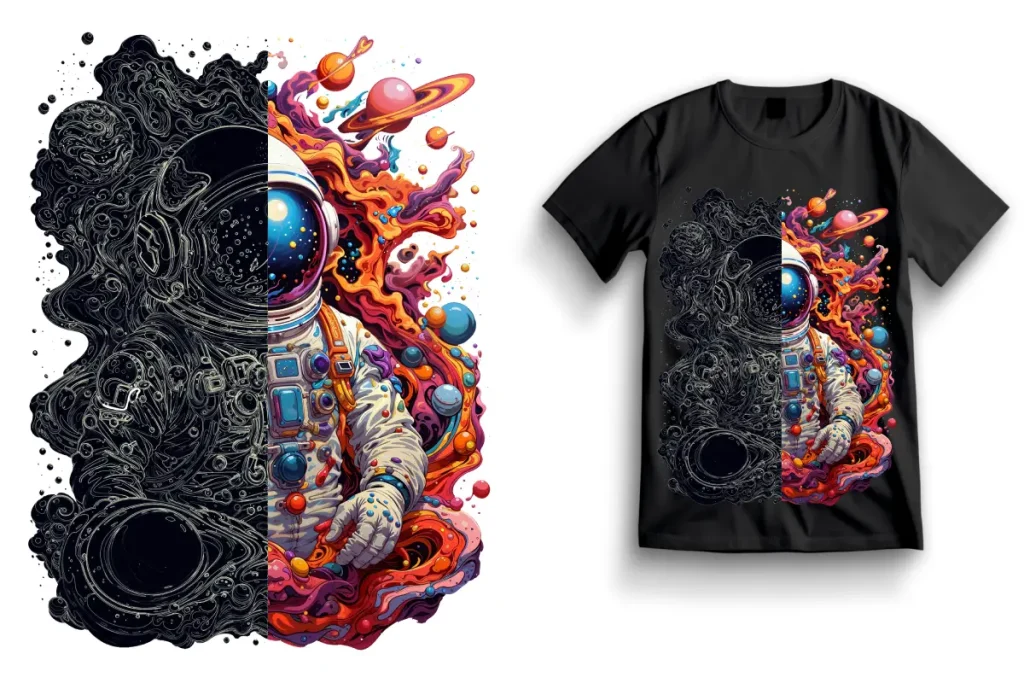
Stepping into the vibrant world of modern garment decoration can feel overwhelming with the sheer number of printing methods available today. However, one specific technology has completely shifted the dynamics of the apparel industry by offering unparalleled color depth, durability, and fabric compatibility. Utilizing high-quality dtf transfers has quickly become the ultimate game-changer for independent clothing brands, corporate merchandise coordinators, and local sports leagues alike. By removing the technical barriers of color separation and heavy minimum order requirements, this innovative digital process turns complex graphic designs into retail-ready apparel with absolute precision.
The magic behind this method lies in its sophisticated engineering. Instead of pushing thick ink directly through a mesh screen or spraying it onto pre-treated cotton, the artwork is digitally mirrored and printed onto a specialized clear polyester film. This film then passes through a powdered adhesive station before being heat-cured into a flexible, ready-to-apply emblem. This means you can store your custom designs on sheets for months and apply them to various garments only when an order comes in. For creators looking to eliminate unsold inventory headaches while maintaining pristine production quality, understanding the power of DTF applications is the first major step toward sustainable business growth.
Breaking Down the Mechanics: Why Modern Apparel Brands Choose Direct-to-Film
To grasp why this method is rapidly dominating the marketplace, it helps to compare it to traditional methods like screen printing or vinyl cutting. Screen printing is famous for its longevity but demands hours of setup time, chemical emulsions, and individual screens for every single color used in a graphic. This makes multi-colored designs financially impossible for small production runs. On the flip side, heat transfer vinyl limits your creativity to single-color vector shapes and leaves a thick, rubbery texture on the fabric that cracks over time.
Digital film applications eliminate these restrictions entirely. When you implement premium dtf transfers into your production line, you gain a massive competitive edge through structural and aesthetic advantages that older printing technologies simply cannot match:
- Zero Material Boundaries: Unlike direct-to-garment options that demand 100% heavy cotton, these films apply perfectly to challenging synthetics, tri-blends, heavy nylon jackets, and even leather goods.
- Photorealistic Replication: Complex color gradients, fine smoke effects, high-contrast photography, and sharp typography print with exceptional clarity in a single production pass.
- Superior Wash Resistance: The specialized TPU powder forms an elastomeric bond with the underlying fabric fibers, meaning the design stretches dynamically with the garment and resists cracking through dozens of laundry cycles.
- Lightweight Finish: Advanced ink formulations ensure that once fully pressed, the design feels incredibly soft, pliable, and comfortable against the skin.
The Power of Sourcing Locally: Speed, Reliability, and Precision
As consumer expectations shift toward instant gratification and fast shipping, waiting weeks for overseas cargo or dealing with cross-country shipping delays can severely damage a small business. Apparel decorators frequently search for top-tier dtf transfers near me to establish a reliable, agile supply chain right in their backyard. Working with a regional production facility means you can rapidly test new sample designs, ensure exact color accuracy across different print batches, and fulfill sudden bulk orders without missing critical deadlines.
Having a dependable printing partner in close geographical proximity changes how you handle inventory management. Instead of guessing which sizes or colorways will sell next month and purchasing hundreds of pre-printed shirts in advance, you can keep a blank inventory of apparel and a library of custom print rolls. When an order drops on your website, you can pick up your fresh sheets locally, press the design in seconds, and ship out the finished product the very same afternoon.
Securing the Absolute Best DTF Transfer at Houston
The textile market throughout Texas is incredibly competitive, making print quality a determining factor in whether a clothing brand succeeds or fades away. Finding the best dtf transfer at Houston requires a deep understanding of what happens behind the scenes during the manufacturing stage. True commercial quality is not accidental; it depends on a meticulous balance of high-end industrial machinery, stable temperature control, and premium raw components.
The foundational secret to a flawless print is the density and registration of the white ink backing layer. When a digital printer lays down CMYK colors onto the transparent film, it must immediately follow up with a solid, perfectly aligned layer of opaque white ink. This white barrier prevents the background fabric color from bleeding through the design. If the white backing is too thin or misaligned, a bright yellow logo pressed onto a navy blue hoodie will look muddy, dull, and unprofessional. Premium suppliers utilize automated registration systems to ensure every detail stays crisp, bright, and vibrant regardless of the substrate color.
Streamlining Your Local Apparel Workflow with Houston DTF Transfer Solutions
Maximizing profit margins in the custom apparel industry relies heavily on optimizing your workflow. Partnering with a dedicated Houston dtf transfer provider allows you to leverage the immense economic benefits of gang sheets. A gang sheet is a wide-format digital canvas where you arrange multiple graphics, neck labels, chest prints, and sleeve accents onto a single continuous roll of film. This maximizes every square inch of space, significantly dropping your individual production costs.
Once your custom rolls arrive at your workspace, the application process becomes highly efficient. Because these modern films are engineered with premium hot-peel or warm-peel characteristics, you can accelerate your heat press assembly line. You simply position the cut design onto the garment, apply heat, and peel the film away instantly without waiting for the fabric to cool down completely, shaving valuable hours off massive bulk orders.
A Complete Technical Guide for Flawless Transfer Application
Even if you purchase the highest grade digital films on the market, achieving a retail-ready, retail-durable finish requires proper heat press execution. Following a precise technical protocol will ensure that the adhesive fully encapsulates the fabric fibers for an everlasting bond.
- Purge Fabric Moisture: Always place your blank garment under the heat press for 4 to 6 seconds before aligning your graphic. This step drives out hidden humidity locked inside the cotton or polyester fibers, preventing steam bubbles from ruining the adhesive layer.
- Calibrate Temperature and Pressure: Set your commercial heat press between 300°F and 315°F (150°C to 157°C). Apply medium to firm pressure. Avoid using cheap handheld craft irons, as they cannot distribute heat evenly across the entire surface area, which can cause premature peeling later.
- Execute the Post-Press Seal: After peeling away the clear polyester carrier sheet, place a sheet of high-grade silicone parchment paper directly over the exposed print and press for an additional 5 seconds. This locks the edges permanently into the weave of the fabric and provides a beautiful matte finish.
Frequently Asked Questions
How well do digital film designs hold up over time compared to screen printing?
When applied using correct commercial heat settings and balanced pressure, high-grade films will easily last for 50 to 60 heavy wash cycles before showing any structural wear. For maximum durability, always instruct your customers to wash their custom garments inside out using cold water and to avoid high-heat tumble dryers.
Can these custom prints be applied to polyester activewear without melting the fabric?
Yes, absolutely. Because modern low-melt adhesive powders cure beautifully at temperatures around 300°F, you can easily apply them to delicate polyester sports jerseys and performance wear without causing unsightly fabric scorching or heat shiny marks.
What specific graphic file formats should I submit for printing?
To achieve razor-sharp edges and perfect color accuracy, you should always upload high-resolution artwork at a minimum of 300 DPI. Vector formats like PDF, AI, or SVG are ideal, while raster PNG files must have a completely clean, transparent background with no stray pixels.
Is there a difference between cold-peel and hot-peel carrier films?
Yes. Hot-peel films allow you to remove the plastic carrier sheet immediately after the press cycle finishes, making them excellent for rapid bulk production. Cold-peel films require the garment to cool down completely to room temperature before peeling, which often yields slightly sharper detail on ultra-fine lines.
Scaling Your Clothing Enterprise with Harwin DTF
Building an iconic fashion label or managing a busy print shop requires consistency, reliability, and elite product quality. By choosing to collaborate with the experienced production team at Harwin DTF, you instantly elevate your brand above the noise of a crowded market. Outsourcing your large-scale printing needs to a dedicated specialist allows you to avoid the staggering capital expenses of buying heavy industrial machinery, ventilation setups, and costly bulk ink systems. Instead, your business can pour its daily energy entirely into designing breathtaking graphics, executing high-converting digital marketing campaigns, and fostering community engagement. Let Harwin DTF handle the intricate manufacturing details so you can focus on scaling your brand into a local powerhouse.