
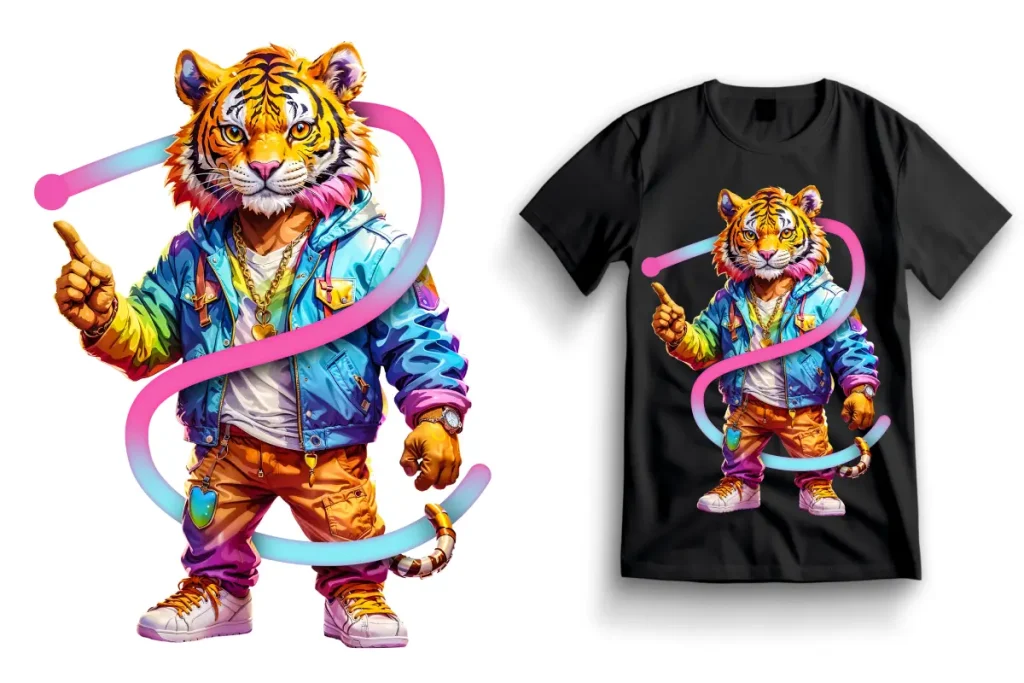
Launching a fashion line or managing a busy custom apparel business demands production methods that balance speed, financial feasibility, and immaculate detail. For decades, creators had to choose between the heavy setup limitations of screen printing and the material restrictions of direct-to-garment machines. Today, utilizing high-grade dtf transfers has completely reimagined what is possible in textile decoration. This digital technology allows any designer, small shop owner, or large-scale corporate coordinator to turn complex, multicolored artwork into retail-ready merchandise with remarkable consistency and minimal hassle.
The magic behind this method lies in its chemical and mechanical precision. Instead of forcing heavy textile ink through a mesh screen layer or directly onto pre-treated cotton, the artwork is digitally mirrored and printed onto a specialized clear polyester film carrier. This film passes through a dedicated application zone where a fine layer of thermoplastic polyurethane adhesive powder is evenly applied and heat-cured. This steps creates a standalone, durable design emblem that forms a permanent chemical bond with the garment fibers under a heat press. Transitioning your workspace to utilize modern DTF sheets helps eliminate the risk of unsold pre-printed stock since you can easily store custom print rolls for months and apply them only when an order is finalized.
The Structural Revolution: Why Modern Apparel Brands Choose Direct-to-Film
To fully grasp why digital film application has captured the global garment market, it helps to analyze the structural drawbacks of older methods. Screen printing, while celebrated for its wash endurance, demands extensive manual labor to burn, set up, and clean individual stencils for every single color used in a graphic. This operational friction makes small production runs completely unviable. On the flip side, heat transfer vinyl limits your creativity to single-color vector blocks, requires tedious manual weeding, and leaves a heavy, rubbery layer on the fabric that cracks over time.
Digital film manufacturing eliminates these technical boundaries completely. When you integrate premium dtf transfers into your daily production line, you secure a massive competitive edge through specific performance and aesthetic advantages that older printing technologies simply cannot match:
- Universal Fabric Compatibility: Unlike alternative digital systems that demand 100 percent heavy cotton, these films fuse flawlessly with delicate polyesters, coarse nylon windbreakers, sports jerseys, canvas bags, and rugged leather.
- Photorealistic Precision: Complex color gradients, fine smoke effects, high-contrast photography, sharp typography, and fine line art print with exceptional clarity in a single pass.
- Industrial-Grade Wash Resistance: The specialized polyurethane powder forms an elastomeric bond with the underlying textile yarns, meaning the design stretches and recovers in parallel with the garment without fracturing.
- Ultra-Soft Hand Feel: Advanced digital ink formulations settle comfortably into the fabric weaves, leaving a lightweight, breathable surface texture that feels premium against the skin.
Overcoming Supply Chain Friction with Regional Printing Networks
In an e-commerce ecosystem dominated by instant social media trends and rapid consumer demand, relying on overseas cargo lines or cross-country shipping introducing significant operational risk. A single delayed container or transit bottleneck can cause missed retail windows and unhappy buyers. For this reason, savvy business owners routinely search for dtf transfers near me to establish a highly responsive, local supply network that cuts out transit friction and shortens turnaround times.
Developing a direct relationship with a regional production partner changes your entire inventory management strategy. Instead of tying up your operational capital in massive bulk orders of pre-printed shirts that may sit on shelves, you can maintain a lean stock of blank apparel alongside a library of custom print sheets. When an unexpected viral trend drives a sudden surge in orders, you can quickly secure your fresh design films locally, run your heat presses, and fulfill every customer shipment within 24 to 48 hours.
Evaluating Technical Standards for the Best DTF Transfer at Houston
The custom apparel and textile market across Texas is incredibly competitive, meaning the structural quality of your finished shirts determines whether your brand grows or gets ignored by consumers. Finding the absolute best dtf transfer at Houston requires looking past the lowest price tag and inspecting the actual raw materials and hardware configurations used during manufacturing. High-end, retail-ready outputs are the direct result of precise calibration, commercial-grade machinery, and premium chemical components.
The primary benchmark of a premium transfer film is the registration and opacity of its white ink backing layer. When an industrial machine applies the colored CMYK inks, it must immediately follow up by printing a dense, perfectly aligned layer of solid white ink directly behind it. This white backing serves as an absolute light barrier. When your design is heat-pressed onto a pitch-black cotton shirt or a vibrant red polyester hoodie, the base garment colors cannot bleed through or dull the graphic. Top-tier suppliers use automated micro-registration cameras to ensure this white backing remains hidden beneath the color layer, guaranteeing crisp edges and radiant hues on any substrate color.
Maximizing Production Workflow Efficiency via Houston DTF Transfer Programs
Turning a creative clothing concept into a highly profitable garment enterprise requires a strong focus on maximizing your daily manufacturing throughput. Working alongside a dedicated Houston dtf transfer specialist allows you to scale your business using high-yield gang sheets. A gang sheet is a wide-format digital canvas where you arrange multiple graphics, chest logos, custom neck labels, and sleeve accents across a single continuous roll of film, maximizing every square inch of space to drive down your unit costs.
Once your custom rolls are delivered to your workspace, the physical assembly process is highly repeatable and fast. Because commercial-grade films are engineered with reliable hot-peel or warm-peel release characteristics, you can accelerate your heat press workflow dramatically. You no longer have to set garments aside to cool down before pulling off the carrier film. Instead, you can strip the plastic away instantly while the platen lifts, cutting down production times and allowing your team to complete bulk orders in record time.
Step-by-Step Technical Instructions for Flawless Film Application
Even if you purchase the most advanced commercial films on the market, achieving a durable, retail-ready finish depends heavily on your physical application technique under the heat press. Following a strict technical protocol ensures that the adhesive melts deeply into the fabric weave, securing an everlasting bond that survives the laundry cycle.
- Dehumidify the Fabric: Always place your blank apparel item under the heat press platen for 5 to 7 seconds before positioning your design sheet. This critical step purges ambient moisture trapped within the natural or synthetic fibers, preventing steam bubbles from disrupting the adhesive layer.
- Calibrate Temperature and Pressure Parameters: Configure your professional heat press between 300°F and 320°F (150°C to 160°C) and apply medium to heavy mechanical pressure. Avoid using standard home irons or cheap craft devices, as they fail to distribute heat uniformly across the entire surface area, leading to premature peeling at the corners.
- Execute the Post-Press Finishing Cycle: Once you have cleanly removed the clear polyester carrier sheet from the fabric, place a sheet of high-grade silicone parchment paper or a Teflon sheet directly over the exposed ink design. Lower the heat press for a final 5-second cycle. This finishing step locks the perimeter edges permanently into the garment fibers and yields an attractive, professional matte appearance.
Frequently Asked Questions
How many wash cycles can a custom digital transfer survive before fading?
When printed using premium commercial-grade inks and applied with precise heat and pressure settings, high-quality digital film transfers easily survive 50 to 60 heavy machine wash cycles before showing signs of texturing. To maximize the operational life of the print, always advise your retail customers to launder their custom garments inside out using cold water and to avoid high-temperature commercial tumble dryers.
Can these digital print films be applied to delicate heat-sensitive polyesters?
Yes, absolutely. Because modern low-melt polyurethane powders are engineered to cure efficiently at temperatures around 300°F, you can confidently apply them to high-performance activewear, sports jerseys, and synthetic blends without melting, scorching, or leaving unsightly shiny burn marks on the delicate fabric surface.
What specific graphic file criteria should I fulfill for commercial printing?
To avoid blurry edges, pixelation, or low-quality outputs, always export your custom artwork at a minimum resolution of 300 DPI. Native vector formats such as PDF, AI, or SVG provide the cleanest structural results, while raster PNG layouts must include a completely transparent background with zero stray pixels along the borders.
What is the core difference between hot-peel and cold-peel carrier sheets?
The difference lies in production speed and final surface texture. Hot-peel films allow you to pull the clear plastic sheet away immediately after the heat press opens, which significantly speeds up high-volume assembly lines. Cold-peel films require the garment to cool down completely to room temperature before removal, which typically provides superior registration for ultra-fine lines and intricate detail work.
Scaling Your Retail Fashion Brand with Harwin DTF
Building a recognizable apparel brand or expanding a busy local print shop demands constant access to elite raw materials, predictable manufacturing turnarounds, and exceptional image quality. By establishing a strategic collaboration with the experienced production team at Harwin DTF, you instantly position your business ahead of the competition. Outsourcing your large-scale film printing needs to an industrial specialist allows you to bypass the massive upfront capital investments required to purchase heavy machinery, manage complex ink lines, and install professional ventilation systems. Instead, your business can dedicate 100 percent of its daily energy to creating stunning graphic art, launching high-converting digital marketing campaigns, and building a loyal customer base. Let Harwin DTF handle the technical heavy lifting so you can focus entirely on scaling your clothing enterprise from a regional startup into an industry powerhouse.